

Medical Office Cleaning Checklist: What Needs Daily Attention
How to clean a medical office properly is a question many clinic owners and managers ask, and for good reason. Medical offices see dozens of patients every day, and each visit brings germs, bacteria, and health risks into the space. Unlike regular offices, medical facilities must meet higher cleanliness standards to protect patients, staff, and visitors.
From waiting rooms to exam rooms, every area needs careful and consistent cleaning. In this guide, you will learn exactly how to clean a medical office, what needs daily attention, and when it makes sense to call professional medical office cleaners.
Why Medical Office Cleaning Is So Important
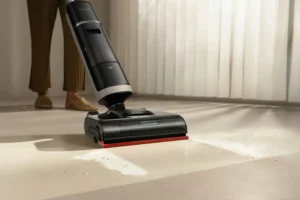
Medical office cleaning is about more than appearances. It plays a direct role in health, safety, and trust.
Preventing the Spread of Germs and Infections
Medical offices are high-traffic environments. Patients come in with illnesses, weakened immune systems, and open wounds. Germs can easily spread through door handles, chairs, exam tables, and shared equipment if cleaning is not done properly.
Daily cleaning and disinfecting reduce the risk of infections and help protect everyone who enters the clinic.
Creating a Safe and Trustworthy Environment
Patients notice cleanliness right away. A clean medical office helps patients feel comfortable, confident, and cared for. A dirty or disorganized space can cause worry and damage trust, even if the medical care itself is excellent.
Meeting Health and Safety Standards
Medical facilities must follow strict health guidelines. Regular cleaning helps clinics stay compliant, avoid complaints, and reduce the risk of fines or inspections failing.
Areas That Require Daily Medical Office Cleaning
Every part of a medical office needs attention, but some areas require daily cleaning without exception.
Reception and Waiting Areas
The waiting room is one of the most used spaces in a medical office.
Daily cleaning tasks include:
- Disinfecting chairs, armrests, and tables
- Wiping check-in counters and clipboards
- Cleaning door handles and light switches
- Emptying trash bins
- Sweeping or mopping floors
Exam Rooms and Treatment Areas
Exam rooms are where cleanliness matters most.
Daily tasks include:
- Disinfecting exam tables and chairs
- Cleaning medical equipment surfaces
- Wiping countertops and storage areas
- Sanitizing high-touch surfaces like switches and handles
- Proper disposal of medical waste
Restrooms
Restrooms must be cleaned and disinfected daily.
Key tasks include:
- Cleaning toilets, sinks, and counters
- Disinfecting handles and dispensers
- Cleaning mirrors
- Mopping floors
- Restocking soap and paper products
Staff Areas and Break Rooms
Staff spaces still require medical-level cleanliness.
Daily cleaning includes:
- Wiping tables and counters
- Cleaning appliances like microwaves and refrigerators
- Disinfecting shared equipment
- Taking out garbage and recycling
Daily Medical Office Cleaning Checklist
Below is a simple daily checklist to keep your medical office safe and clean.
| Area | Daily Cleaning Tasks |
| Waiting Room | Disinfect chairs, wipe tables, clean floors, empty trash |
| Reception Desk | Sanitize counters, phones, keyboards, and pens |
| Exam Rooms | Disinfect tables, equipment, surfaces, and handles |
| Restrooms | Clean toilets, sinks, mirrors, floors, and restock supplies |
| Staff Areas | Wipe surfaces, clean appliances, and remove garbage |
Weekly and Monthly Medical Office Cleaning Tasks
Daily cleaning keeps things safe, but deeper cleaning is also important.
Weekly Cleaning Responsibilities
Weekly tasks include:
- Vacuuming carpets thoroughly
- Mopping floors with disinfectant
- Dusting vents, baseboards, and shelves
- Cleaning interior windows and glass doors
Monthly and Periodic Deep Cleaning
Monthly or quarterly tasks include:
- Carpet shampooing
- Upholstery cleaning
- High dusting in storage areas
- Deep cleaning behind furniture and equipment
Proper Cleaning Products for Medical Offices
Using the right products is just as important as cleaning often.
Approved Disinfectants and Supplies
Medical offices should use:
- Medical-grade disinfectants
- EPA-approved cleaning products
- Microfiber cloths
- Disposable gloves
Products to Avoid
Avoid:
- Harsh chemicals that damage surfaces
- Strong scents that may bother patients
- Mixing cleaning products, which can be dangerous
Best Practices for Medical Office Cleaning
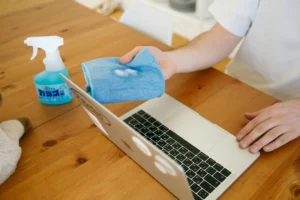
Following best practices improves results and reduces risks.
Color-Coded Cleaning Tools
Using different cloths or mops for restrooms, exam rooms, and waiting areas helps prevent cross-contamination.
Cleaning From Clean to Dirty Areas
Always clean less dirty areas first, then move to high-risk spaces like restrooms and exam rooms.
Hand Hygiene and Protective Gear
Cleaners should wear gloves, wash their hands often, and dispose of cleaning materials properly.
Common Mistakes to Avoid When Cleaning a Medical Office
Skipping High-Touch Surfaces
Door handles, switches, and chairs are often missed but should be cleaned daily.
Using the Same Cloth Everywhere
This spreads germs instead of removing them.
Rushing the Cleaning Process
Disinfectants need time to work. Wiping too quickly reduces effectiveness.
When to Hire Professional Medical Office Cleaners
Signs In-House Cleaning Is Not Enough
You may need professionals if:
- Patient volume is high
- Staff lack proper training
- There are recurring cleanliness complaints
- Health inspections are approaching
Benefits of Professional Medical Office Cleaning
Professional cleaners provide:
- Trained medical office cleaners
- Proper disinfecting techniques
- Consistent cleaning schedules
- Peace of mind for staff and patients
DIY Medical Office Cleaning vs Professional Cleaning
| Factor | DIY Cleaning | Professional Medical Office Cleaning |
| Cost | Lower upfront | Better long-term value |
| Time | Takes staff time | Saves staff time |
| Infection Control | Limited | Medical-grade standards |
| Consistency | Varies | Reliable and scheduled |
| Compliance | Risky | Helps meet regulations |
Final Thoughts
Cleaning a medical office is not optional. It is a daily responsibility that protects patients, staff, and your reputation. By following a clear checklist, using proper products, and staying consistent, clinics can maintain a safe and welcoming environment.
For many medical offices, professional cleaning services are the most reliable way to ensure high standards without added stress.
If you want your clinic cleaned safely, thoroughly, and professionally, Bobcat Cleans’ Medical Office Cleaning Cochrane Services is here to help. Our trained team understands the unique needs of medical environments and delivers reliable, high-quality results.
Contact us now to keep your medical office clean, compliant, and patient-ready every day.
Follow us on our pages below:
Find out more articles that can help you below: